Showing posts with label Wireless. Show all posts

Saturday, 21 September 2013

Filter Design Basics

  1. Center Frequency, Fo
  2. Stopband Cutoff Frequency, Fs
  3. Selectivity Factor, Q
  4. Shape Factor, SF
  5. Insertion Loss
  6. VSWR and Return Loss
  7. Phase Linearity and Group Delay
  8. Filter Impedance

 Types of Filters


The two classical approaches in the design of filters are
  • Image-parameter
  • Network method

Image-parameter method 

        - treats the filter as a transmission line and uses lumped components.
  • Constant k filter
  • m-derived filter - is a modification of the constant k filter in order to vary the impedance (constant) and the shape factor (steeper).

Network method

     - based on frequency response curve or transfer function.

Other common filter design methods are
  • Top-coupled resonator
  • Varactor-tuned BPF (Band Pass Filter)

Monday, 8 July 2013

RF Basics

Frequency

Frequency ဆိုတာ RF(Radio Frequency) တစ္ခုလံုးရဲ႕ အေျခခံအက်ဆံုး အစိတ္အပိုင္းျဖစ္တယ္။ Microwave Theory ပိုင္းမွာလည္း Frequency တန္းဖိုးက အေရၾကီးျပီး ရွဳပ္ေထြးလြန္းတဲ့ တြက္ခ်က္မွဳေတြမွာ အျမဲေနရာယူေနတာပါ။ Frequency ဆိုတာနဲ႕ sin wave နဲ႕ cosine wave ေတြကို သတိရၾကမယ္ထင္ပါတယ္။

Electromagnetic (EM) Wave


Electronic Wave အေၾကာင္းေျပာၿပီးဆို Magnetic Wave က ေနာက္က ဆက္ပါလာတာပါ။ Electronic wave သည္ Magnetic wave ႏွင့္ ေထာ့င္မွန္က် သည္။ ေအာက္ကပံုကေတာ့ sine wave ကို EM wave အေနနဲ႕ ျပထားတာပါ။


Radiation Pattern


Radiation Pattern ဆိုတာ Antenna ကေန ထုတ္လြတ္လိုက္တဲ့ Power ကို ေဖာ္ျပသည္လို႕ အဓိပၸါယ္ မွတ္ယူႏိုင္သည္။ Radiation Pattern ရဲ႕ ပံုက ပန္းသီးတစ္လံုးရဲ႕ပံုနဲ႕ တူတယ္။ အလယ္ဝင္ရိုးကို EM Wave လံုးဝမလြတ္ထုတ္ႏိုင္တဲ့ Null Location လို႕ေခၚျပီး အဲဒီ Null မ်ဥ္းေပၚမွာရွိတဲ့ ဘယ္ Receiver မဆို Transmitter က လြတ္တဲ့ သတင္းအခ်က္အလက္ေတြကို ရရွိမည္မဟုတ္။

Field Regions

Field Regions ၃ ခုရွိတယ္။
  1. Far Field (Fraunhofer) Region
  2. Reactive Near Field Region
  3. Radiating Near Field (Fresnel) Region

Far Field (Fraunhofer) Region

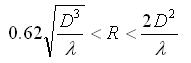
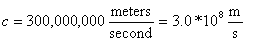
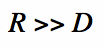
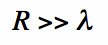
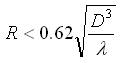
Far Field Region က အေရးအၾကီးဆံုးျဖစ္သည္။ Antenna ရဲ႕ Radiation Pattern ကို Far Field Region နဲ႕ပဲ အဓိပၸါယ္ဖြင့္ဆိုသည္။ Antenna အလုပ္လုပ္တဲ့ Region လို႕ သတ္မွတ္လို႕ရပါသည္။ Far Field Region ျဖစ္ဖို႕ အခ်က္ ၃ ခ်က္နဲ႕ ျပည့္စံုရပါမယ္။
where; R = Far Field Region, D = Dimension of antenna

">>" ဆိုတာ အရမ္းၾကီးရမယ္လို႕ အဓိပၸါယ္ရတယ္။ အနည္းဆံုး ၁ဝ ဆၾကီးရပါမယ္။

Reactive Near Field Region 

Reactive Near Field Region ဆိုတာက Antenna ပါတ္ဝန္းက်င္က ေနရာေတြကို ဆိုလိုသည္။ Near Field Region ကို ေအာက္ပါအတိုင္းတြက္ခ်က္ႏိုင္သည္။

Radiating Near Field (Fresnel) Region

Radiation Near Field Region ကေတာ့ Far Field (Fraunhofer) Region နဲ႕ Reactive Near Field Region ၾကားမွာ ရွိပါသည္။ Radiation Near Field Region ကို ေအာက္ပါအတိုင္းတြက္ခ်က္ႏိုင္သည္။



Friday, 5 July 2013

Explain how the length of the antennas, the transmit power and receiver sensitivity can have an impact on your CPE wireless coverage?

Antenna

The length of antenna is defined by the wavelength of the frequency. The longer length of antenna, the higher the gain of the antenna in dBi and the better coverage of CPE.

Transmit Power

Transmit Power is an important parameter of wireless design.
The higher transmit power at lower EVM can give a better performance and longer range of wireless coverage.

Sensitivity


Received Sensitivity is to measure the minimum received signal level of CPE.
Greater sensitivity = longer range

As the signal propagates away from the transmitter, the power density of the signal decreases, making it more difficult for a receiver to detect the signal as the distance increases. Improving the sensitivity on the receiver (making it more negative) will allow the radio to detect weaker signals, and can dramatically increase the transmission range.

Sensitivity, 1dB Compression Point and Dynamic Range

Sensitivity

  • The smallest RF Signal that can produce a useful baseband signal at the receiver output.
  • Determine how far the receiver can be from the transmitter and still receive an understandable message.

1dB Compression Point

  • The point at which the output power differs from the ideal transfer function by 1dB as the input power increases.

Dynamic Range

  • The input power range over which the receiver provides a useful output. The low power limit is the sensitivity specification and upper limit is the input power at 1dB compression point.

Dynamic Range = Input 1dB Compression Point - Sensitivity Level


Thursday, 27 June 2013

EIRP Calculator

EIRP Calculator
EIRP Calculator
Peak Transmit Power:
dBm
No. of Antenna:
Antenna Gain:
dBi
EIRP Value:
dBm

Tuesday, 25 June 2013

IEEE802.11 WLAN Standard

802.11 Standard

802.11 Standard


Standard Year Band Bandwidth Modulation Antenna Technology Data Rate
802.11b 1999 2.4GHz 20MHz CCK --- 11Mbps
802.11a 1999 5GHz 20MHz OFDM 54Mbps
802.11g 2003 2.4GHz 20MHz CCK, OFDM 54Mbps
802.11n 2009 2.4GHz, 5GHz 20MHz, 40MHz OFDM (Upto 64-QAM) MIMO with up to Four spatial streams, beamforming 600Mbps
802.11ac 5GHz 40MHz, 80MHz, 160MHz OFDM (Upto 256-QAM) MIMO, MU-MIMO with up to eight spatial streams, beamforming 6.93Gbps
802.11ad 2.4GHz, 5GHz, 60GHz 2.16GHz SC/OFDM Beamforming 6.76Gbps


Please download 802.11 WLAN Standard for more details.

Sunday, 23 June 2013

dBm-mW Conversion Calculator

dBm-Mw Conversion Calculator


mW - dBm Power Conversion

Transmit Power in MilliWatts : Total:

dBm - mW Power Conversion
Enter Power of Card in dBm : Total: